Featured Transformations: Before and After
Real-world equine transformations through retraining and whole-horse development
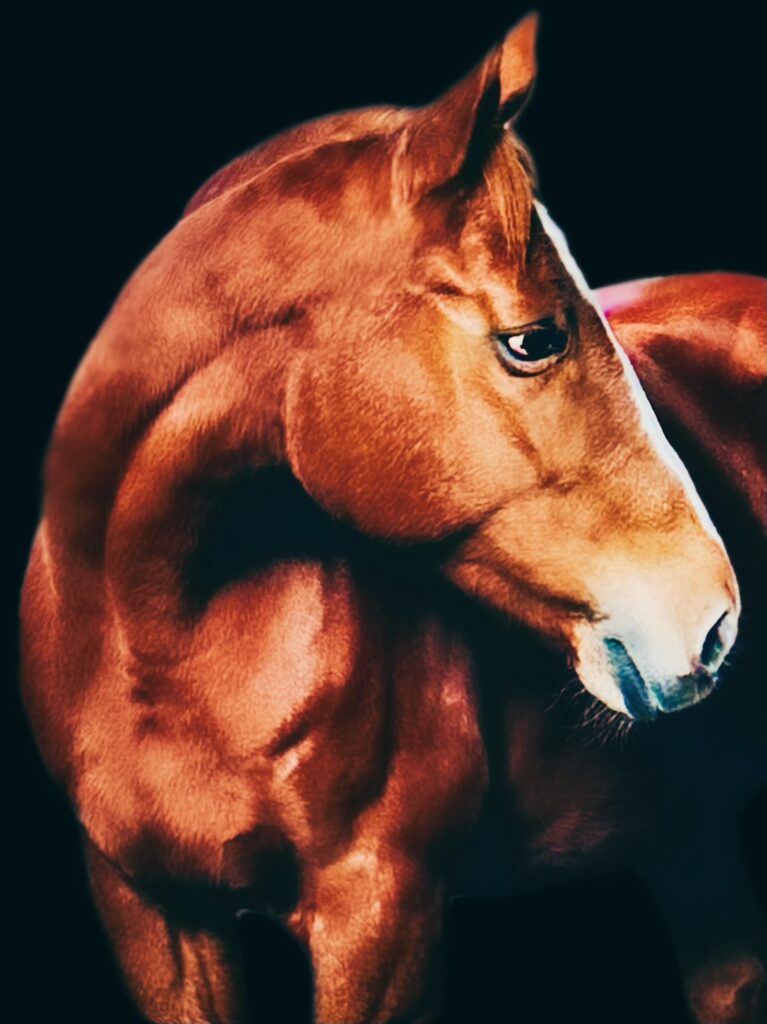
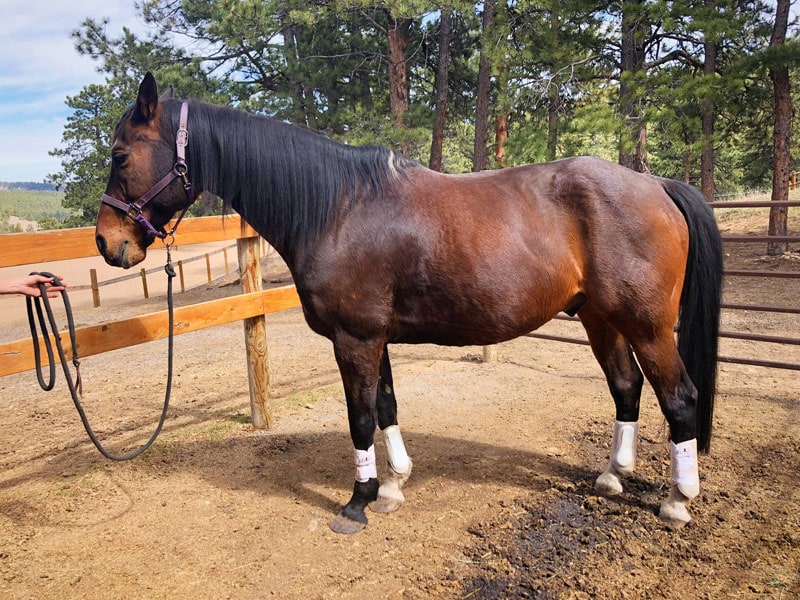
Clementine
Breed: Oldenburg
Height: 16.1
Transformation Duration: four years
Age at Start: 12 Years Old
Program details: hoof rehabilitation with long term corrective orthotics, nutrition analysis, equipment changes, rehabilitation training, foundation re-training
A coordinated approach has led to meaningful changes in structure and confidence.
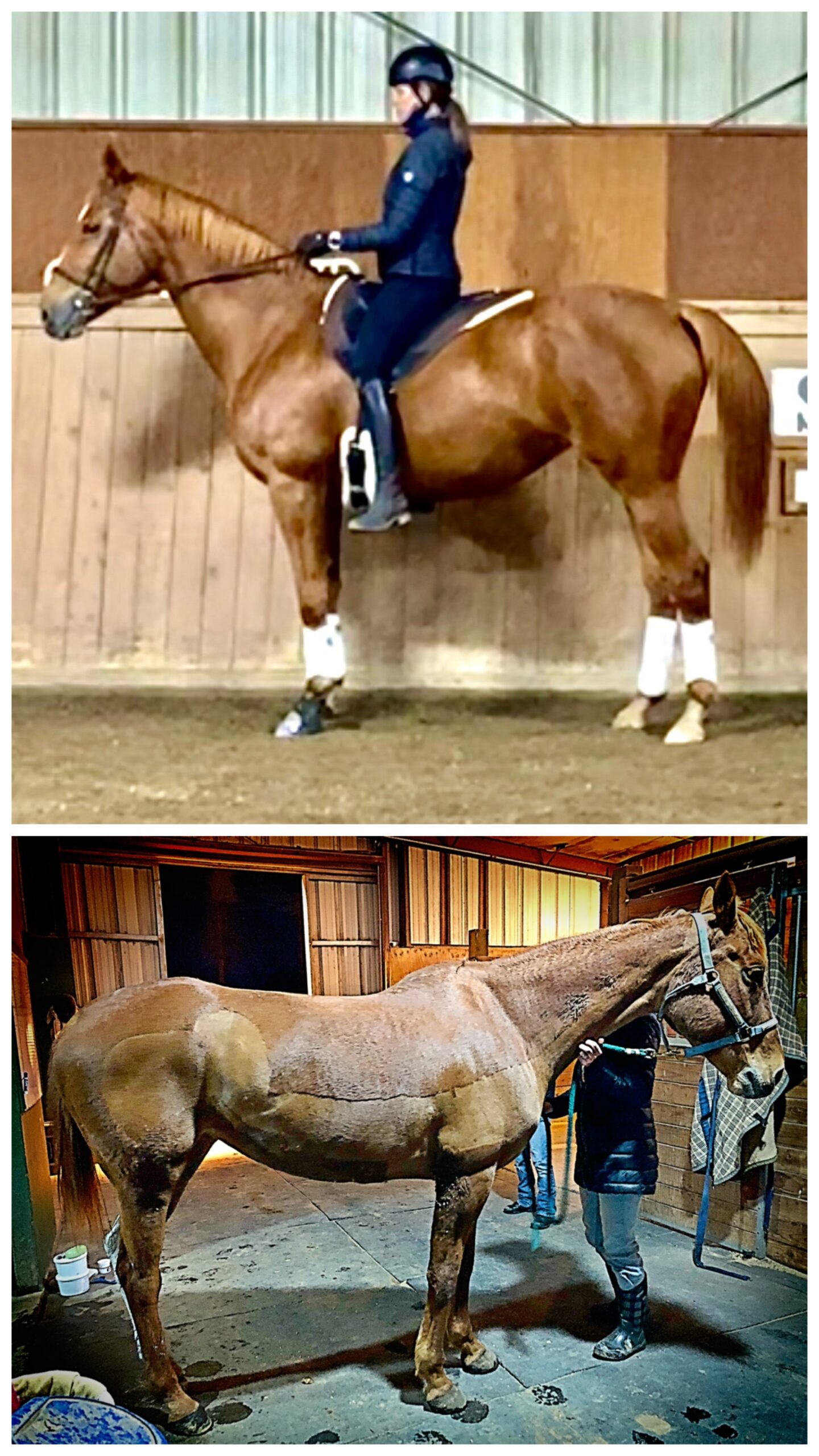
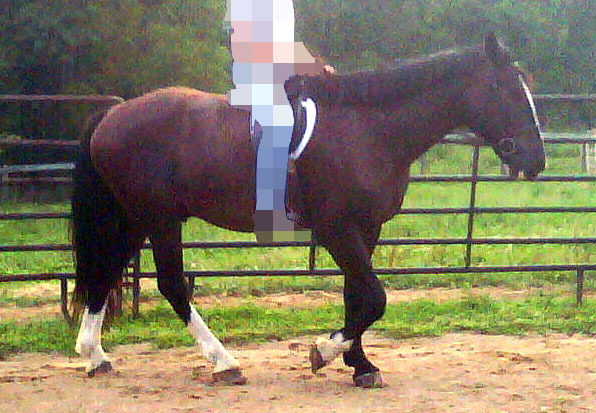
Clementine entered the program presenting with compensatory posture and reduced comfort that affected both her performance and behavior. Through coordinated adjustments to hoof balance, nutrition, equipment, and training, she gained balance and core strength, resulting in visible improvements to her structural alignment and muscling. As her physical comfort increased, her demeanor and confidence followed.
Clementine has stayed in training with Adaptive EQ and has become an attentive mount to her rider. She is interactive and oh so lovely to work with as we continue to expand on her education. As seen in her progress image, she remains bright-eyed, in good posture, good weight, well-muscled, and she has been able to remain completely off of her former maintenance medications. As her comfort has grown, so too has her confidence. She no longer has problems being withdrawn in her social interactions with other horses, and is no longer picked on by her pasture-mates. Success!
Have questions about a case like this? Explore our Services & FAQs.
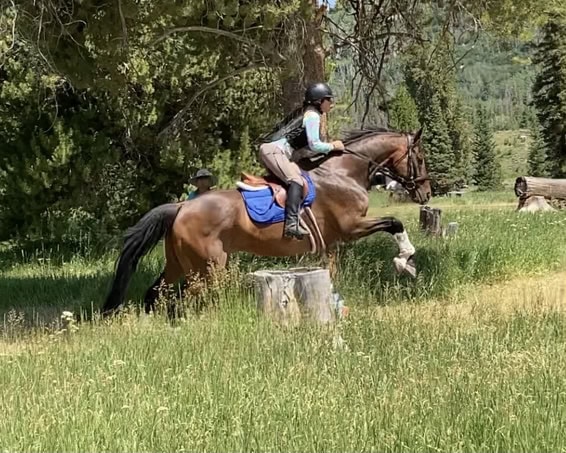
Max
Breed: Oldenburg
Height: 16.3
Transformation Duration: six months
Age at Start: 15 Years Old
Program details: hoof adjustments, nutrition analysis, rehabilitation training, foundational re-training
Nutrition balancing and corrections to foundational work allowed strength, balance, and confidence to emerge.
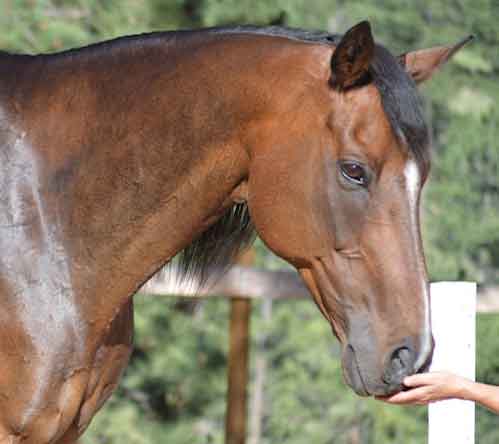
Max entered the program with stress-related reactivity and a way of going that did not allow him to come through efficiently from haunch to fore. A slight conformation difficulty in the haunch, along with a shorter back (common in today’s warmblood breeding programs), made it difficult for him to elevate through the back and shoulders in a way that offered whole body support through his movements. This was limiting the quality and advancement of his work. Through diet analysis and balancing, along with adjustments to foundational training elements he had likely not revisited in many years, we began to help him use his body more correctly and comfortably.
As these changes took hold, Max developed improved topline strength, better engagement from behind, and greater lift through the back. Just as importantly, he became more confident. Though Max has now graduated from our Adaptive EQ program, his mom shared an update of his continuing progress. This pair could not be more gorgeous together…go MAX!
Learn more about the philosophy behind this work and the Adaptive EQ approach.
King Arthur
Breed: Clydesdale/Thoroughbred X
Height: 17.2
Transformation Duration: 1.5 Years
Age at Start: ~14 Years Old
Program details: hoof rehabilitation, nutrition analysis, saddle adjustments, foundational re-training
Through patient development, an “average” horse reveals his strength, balance, and presence.
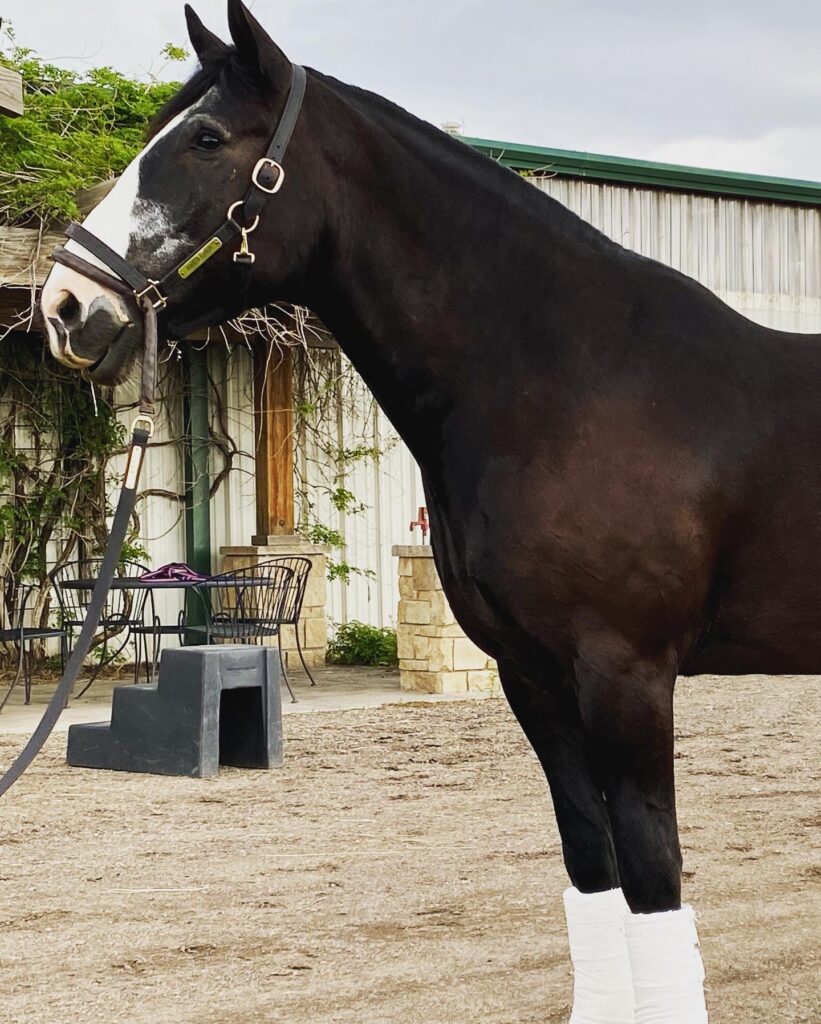
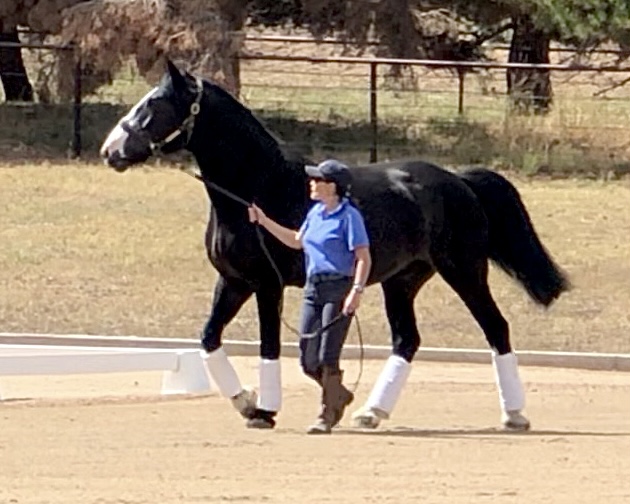
Arthur entered the program following an extended period out of work, having formerly been used as a beginner adult lesson horse. He presented with a lack of muscle tone, reduced core strength, and compensatory motion patterns that affected his balance and coordination. Conformational characteristics, including a shorter back and other components of a heavily draft-influenced build, further required a careful and progressive approach. Through hoof rehabilitation, nutrition analysis, saddle adjustments, and foundational retraining, the focus was placed on rebuilding strength and allowing him to gradually develop the balance and coordination necessary to carry his size and weight, while maximizing his expression of movement.
As his development progressed, these changes became clearly visible. His musculature filled in appropriately, his posture and alignments improved, and his movement became more coordinated. Even years later, now in light maintenance work, he has retained both his physique and presence, reflecting a program designed not only for progress, but for longevity.
Read more about Arthur in his article, In Defense of the Average Horse.
If you’d like to join the Adaptive EQ community, we invite you to reach out.
Each program begins with a conversation to understand your horse, your goals, and whether this is the right fit for you.